Signs You Need Air Conditioning Replacement Services

February 18, 2026

Deciding whether to repair or replace your home cooling system is a significant decision that impacts both your comfort and your wallet. In this article, we will explore the critical signs indicating that your air conditioning system may need to be replaced. With the right knowledge, you can ensure comfort, efficiency, and savings in your home. As the global HVAC systems market continues to grow, keeping abreast of the latest advancements and recognizing when replacement is necessary can significantly impact your home environment. According to Straits Research, the global market for these systems was valued at 215.95 billion USD in 2024 and is expected to climb to 390.39 billion USD by 2033. Understanding the signs of a failing air conditioning system is crucial not only for maintaining comfort but also for optimizing long-term financial benefits.


High-quality air conditioning replacement ensures that your home remains a sanctuary during the hottest months of the year. When you understand the trajectory of the industry and the increasing costs of energy, it becomes clear that staying ahead of mechanical failure is the best way to manage a household budget. By paying attention to how your unit performs daily, you can make an informed choice before an emergency occurs.


Improve Cooling and Regulation

An air conditioning system that does not evenly distribute cool air can lead to discomfort in your home. Rooms may feel cooler while others remain warm, indicating an issue with the system's ability to regulate temperature effectively. Such inconsistency can result from several underlying factors, including clogged filters, ductwork issues, or failing components. Over time, this problem can escalate, requiring increased energy consumption and causing strain on the system. Recognizing these symptoms early can help determine whether repair or air conditioning replacement is the best course of action.


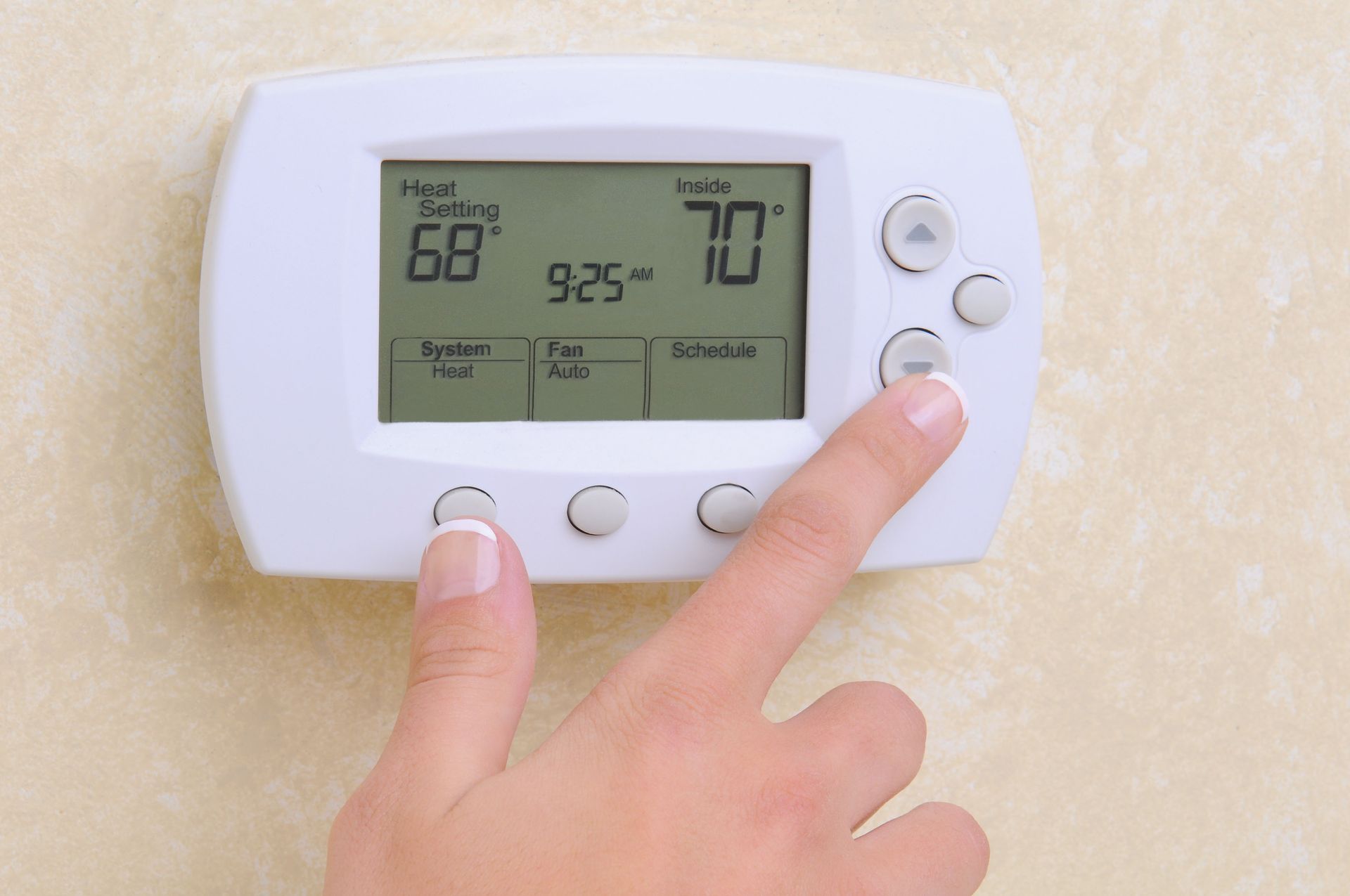
Your air conditioning system also plays a vital role in dehumidifying your home environment. If you notice persistently high humidity levels indoors, it may be time to consider replacing your AC unit. This issue often arises when the system is either too large or too small for your space or when key components like the blower fan or evaporator coil are failing. Humidity that goes unchecked can lead to mold growth, which poses a health risk to the household. A malfunctioning thermostat can greatly impact the efficiency of your unit. When it fails to accurately read or control the temperature, it can cause the unit to cycle on and off irregularly. If the unit is outdated, a total air conditioning replacement might be warranted.


Identify Unusual Noises and Odors

Unusual noises such as grinding or scraping can be indicative of severe internal issues with your air conditioning system. These sounds often result from worn-out bearings, broken components, or debris interfering with the fan. Continued operation while these noises persist can lead to further damage, potentially requiring more costly repairs or full system replacement. It is advisable to address such issues promptly with professional intervention to prevent exacerbating the problem. Identifying and fixing these issues early can prolong the lifespan of your system and avoid unexpected breakdowns. Persistent clicking noises may also arise from electrical issues.


If your air conditioning system emits musty or moldy odors, it may indicate mold growth within the unit or ductwork. Moisture accumulation from inefficient cooling or drainage problems can foster mold, significantly affecting indoor air quality and health. This problem can often be resolved through professional cleaning, but persistent odors might suggest more profound issues that require a full system inspection. Hissing or whistling sounds originating from your system can result from refrigerant leaks or issues with ductwork. Tackling these hissing sounds early enables better system performance and helps you decide if it is time for an air conditioning replacement.


Manage Frequent Repairs and Costs

When an air conditioning system requires frequent repairs within a short timeframe, it is often a sign that the unit is nearing the end of its lifespan. Although minor repairs are normal for maintaining system efficiency, constant breakdowns can become both inconvenient and costly. Persistently fixing repeated issues can cumulatively surpass the cost of a new unit, making air conditioning replacement the more economical choice. If the cost of repairing your system continues to rise, it may be a clear indication that a replacement is necessary.


For older air conditioning systems, the availability of replacement parts may become an issue as units become obsolete. Manufacturers often phase out older models and their components, making repairs challenging and potentially delaying the return to optimal functionality. In such cases, locating compatible parts can be time-consuming and expensive. Investing in a new system eliminates obsolescence and introduces more contemporary features and technology. Ensuring sustained comfort often means outweighing ongoing repair costs with the advantages of a complete air conditioning replacement.


Evaluate the Age of the Unit

The average lifespan of an air conditioning unit typically ranges from 10 to 15 years. As a unit approaches or surpasses this age range, efficiency and reliability often result in gradual declines. Keeping a system operative beyond its intended lifespan increases the likelihood of malfunctions, frequent repairs, and reduced energy efficiency. Homeowners approaching this timeframe should weigh the benefits of replacement for improved performance against continuing maintenance on an aging model. Replacing an outdated system can ensure reliable and efficient cooling for many years to come.


Over time, all mechanical systems experience gradual wear and tear, leading to reduced performance and efficiency. Common signs of reduced efficiency include longer run times, uneven cooling, and higher energy bills. While regular maintenance can help extend a system's life, it cannot fully arrest the natural decline in performance caused by aging components. Warranty coverage offers protection against specific repairs, but once the warranty expires, repair costs solely rest on the homeowner. An expired warranty signifies an approaching time for air conditioning replacement, considering older systems may no longer be economically viable to maintain.


Monitor Rising Energy Bills

An air conditioning system nearing replacement age often exhibits increased energy consumption indicative of reduced efficiency. As components wear down, the system may struggle to cool effectively, requiring more power to deliver desired temperatures. This added energy burden results in higher utility bills and financial strain on the household. Monitoring energy consumption and recognizing sharp increases enables homeowners to determine whether it is time to upgrade to a more efficient model. Replacing an outdated system can lead to significant savings on energy expenses while offering better overall performance.


Regular monitoring of energy bills provides valuable insights into usage patterns and helps homeowners assess the efficiency of their air conditioning system. Noticeable discrepancies in utility bills compared to previous periods often signify reduced system performance or failure. A significant spike suggests an underlying issue and could point to a need for repair or air conditioning replacement. Unexpected spikes in energy usage may indicate underlying issues requiring professional assessment. Malfunctioning components or aging systems struggling under new demands often result in these unexplained energy usage increases.


Recognizing the signs that your cooling system is failing is the first step toward a more comfortable and cost-effective home. From rising utility bills and frequent repairs to poor air quality and unusual noises, these symptoms serve as a roadmap for your next home improvement project. By staying proactive and understanding the technological shifts in the HVAC industry, you can ensure that your home remains cool and safe for years to come. Whether you choose to repair or replace, prioritizing efficiency and professional guidance will always lead to the best results for your household. To ensure your home stays perfectly cool, contact us at True North Air Conditioning for your professional consultation.
Signs You Need Air Conditioning Replacement Services
August 31, 2026
Choosing a new air conditioning system is an important decision because the equipment you select can affect comfort, energy use, indoor air quality, and monthly expenses for years. Homeowners have many options, from different system types and efficiency ratings to varying capacities, features, and price points. The right choice depends on the size and layout of the home, local climate, household needs, and how the system will be installed and maintained. Working with an experienced AC installation company can help you compare these factors and avoid choosing equipment based only on price or brand recognition. Taking time to evaluate the details before purchasing can help you select a system that fits your home and supports dependable cooling. 1. Evaluating the Correct System Size System size is one of the most important factors to consider when replacing an air conditioner. A unit that is too small may struggle to cool the home during hot weather, while an oversized system may cycle on and off too frequently. Both situations can affect comfort and efficiency. Proper sizing depends on more than square footage. Ceiling height, insulation, windows, sun exposure, air leakage, floor plan, and local climate can all influence how much cooling capacity a home requires. An AC installation company can evaluate these factors before recommending equipment. Professional sizing helps ensure that the selected system can meet the home's cooling needs without unnecessary cycling or excessive energy use. Homeowners should avoid assuming that the replacement must have the same capacity as the existing unit, especially if the home has undergone renovations, insulation upgrades, window replacements, or other changes. A careful assessment provides a better foundation for selecting equipment that can maintain comfortable indoor temperatures throughout the cooling season. 2. Comparing Available Efficiency Ratings Energy efficiency can significantly influence the long-term operating cost of an air conditioner. Modern systems are available with different efficiency ratings, and higher-rated equipment may use less electricity to provide the same amount of cooling. However, the most efficient option is not automatically the best choice for every household. Purchase price, expected usage, climate, and how long you plan to remain in the home can all influence whether investing in a higher-efficiency system makes financial sense. When comparing systems with an AC installation company, ask how efficiency ratings relate to expected performance in your home. It can also be useful to compare estimated operating costs instead of focusing on a rating alone. Improvements such as sealing air leaks, upgrading insulation, or addressing duct problems may further improve overall efficiency. Selecting equipment that balances initial cost and long-term energy use can help you make a practical investment while reducing unnecessary cooling expenses over the life of the system. 3. Considering the Best System Type Homeowners can choose from several types of cooling systems depending on the property. Central air conditioning is common in homes with existing ductwork, while ductless mini-split systems can provide cooling without traditional ducts. Heat pumps may offer both heating and cooling from one system. The best option depends on the home's construction, existing equipment, available space, and the way different rooms are used. A system that works well in one property may not be the most practical solution in another. An AC installation company can explain the advantages and limitations of the available system types. For example, a ducted system may be convenient when the home already has suitable ductwork, while a ductless system may work well for additions, converted spaces, or homes without ducts. Homeowners should also consider whether they want whole-home cooling or greater control over individual areas. Comparing system types based on actual household needs can prevent you from paying for features that provide little practical benefit. 4. Reviewing Indoor Air Quality Features Cooling is only one part of maintaining a comfortable indoor environment. Air filtration, humidity control, ventilation, and overall air circulation can also influence how a home feels. Some systems are compatible with upgraded filtration, humidity-control equipment, or other indoor air quality accessories. If anyone in the household is particularly concerned about dust, pet hair, or airborne particles, it may be useful to discuss filtration options while planning the new system. Regular maintenance also plays an important role in air quality. According to This Old House, air filters should be replaced every one to three months to help maintain indoor air quality. An AC installation company can explain the type and size of the filter required by the new system and where it is located. Homeowners should also ask whether higher-efficiency filters are compatible with the selected equipment. Choosing suitable filtration and maintaining it properly can help support airflow while keeping the system cleaner between professional service visits. 5. Examining Your Existing Ductwork If you are installing a central air conditioner, the condition of the existing ductwork deserves attention. Leaks, damaged sections, poor insulation, and improperly sized ducts can reduce the performance of new equipment. Even an efficient air conditioner may have difficulty maintaining consistent temperatures if cooled air escapes before reaching the rooms where it is needed. Uneven cooling, weak airflow, excessive dust, or unusually noisy vents may indicate that portions of the duct system need to be inspected. Ask your AC installation company whether the ductwork should be evaluated before the new system is installed. Correcting problems during the replacement process may help the new equipment operate more effectively from the beginning. Duct configuration can also affect airflow from room to room, so installation planning should consider the complete distribution system rather than the outdoor unit and indoor equipment alone. Addressing existing deficiencies can help protect the investment you are making in a new air conditioner. 6. Calculating the Complete Project Cost The price of the air conditioner itself is only part of the total cost of replacement. Installation labor, permits, electrical work, thermostat upgrades, duct modifications, equipment removal, and other project requirements can affect the final expense. Homeowners should request a clear estimate that explains what is included so they can make accurate comparisons. A low initial quote may not represent the lowest overall cost if important work or necessary components are excluded. A qualified AC installation company should be able to discuss the proposed equipment and the work required to install it. Ask questions about warranties, payment options, included materials, and whether additional improvements are recommended. It is also useful to consider future operating and maintenance expenses rather than comparing systems solely by their purchase prices. Looking at the complete cost of ownership can help you choose a system that fits both your immediate budget and your long-term financial priorities. 7. Planning for Future Maintenance Needs Every air conditioning system requires ongoing care to perform properly. Filters must be replaced, outdoor equipment should remain clear of debris, and professional service may be recommended periodically. Before selecting a system, consider whether replacement filters and parts are readily available and whether the equipment has maintenance requirements that fit your expectations. Understanding these responsibilities before installation can make it easier to care for the system after it becomes part of your home. Your AC installation company can explain recommended maintenance practices and the warranty requirements associated with the equipment. Some manufacturers may require certain maintenance procedures for warranty coverage, so understanding those terms is important. Homeowners should also ask what warning signs may indicate that the system needs attention, such as unusual noises, weak airflow, inconsistent temperatures, or unexpected increases in energy use. Planning for maintenance from the beginning can help you protect the equipment and support reliable operation over time. Choosing a new air conditioner involves more than selecting a model from a catalog. Proper system size, efficiency, equipment type, indoor air quality features, ductwork condition, total project cost, and maintenance requirements can all influence how satisfied you are with the final result. Comparing these factors carefully can help you choose equipment that fits your home, comfort expectations, and budget while avoiding problems caused by an unsuitable system or poor installation. An experienced AC installation company can also help you understand your options and make informed decisions throughout the replacement process. When you are ready to explore a new cooling system for your home, contact True North Air Conditioning.
local ac repair
August 21, 2026
Consistent local AC repair ensures components operate within designed parameters, extending overall equipment service life and optimizing capital investment.
local ac installation
July 25, 2026
Delaying fixes leads to high energy bills. Learn how timely fixes save money and when to call experts for local AC installation.
More Posts →