
Choosing the Right HVAC System for a Commercial Property
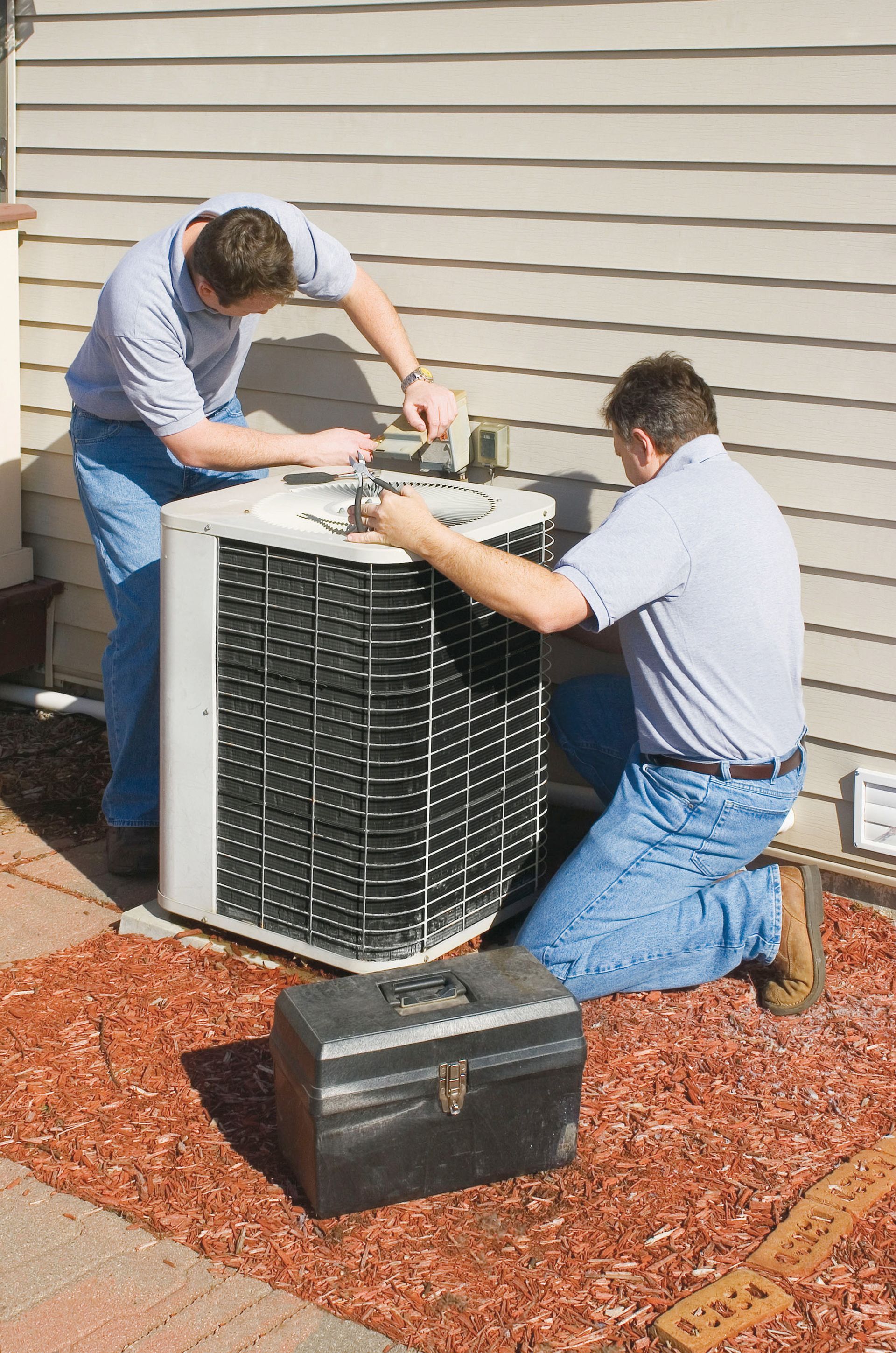
Selecting an HVAC system for a commercial property affects energy expenses, indoor air quality, and occupant comfort. Property managers must consider building size, usage patterns, equipment efficiency, and long-term operating costs when evaluating available options. Professional HVAC installation helps ensure the selected equipment meets the property's heating and cooling demands while supporting reliable performance.
Understanding Commercial HVAC System Types
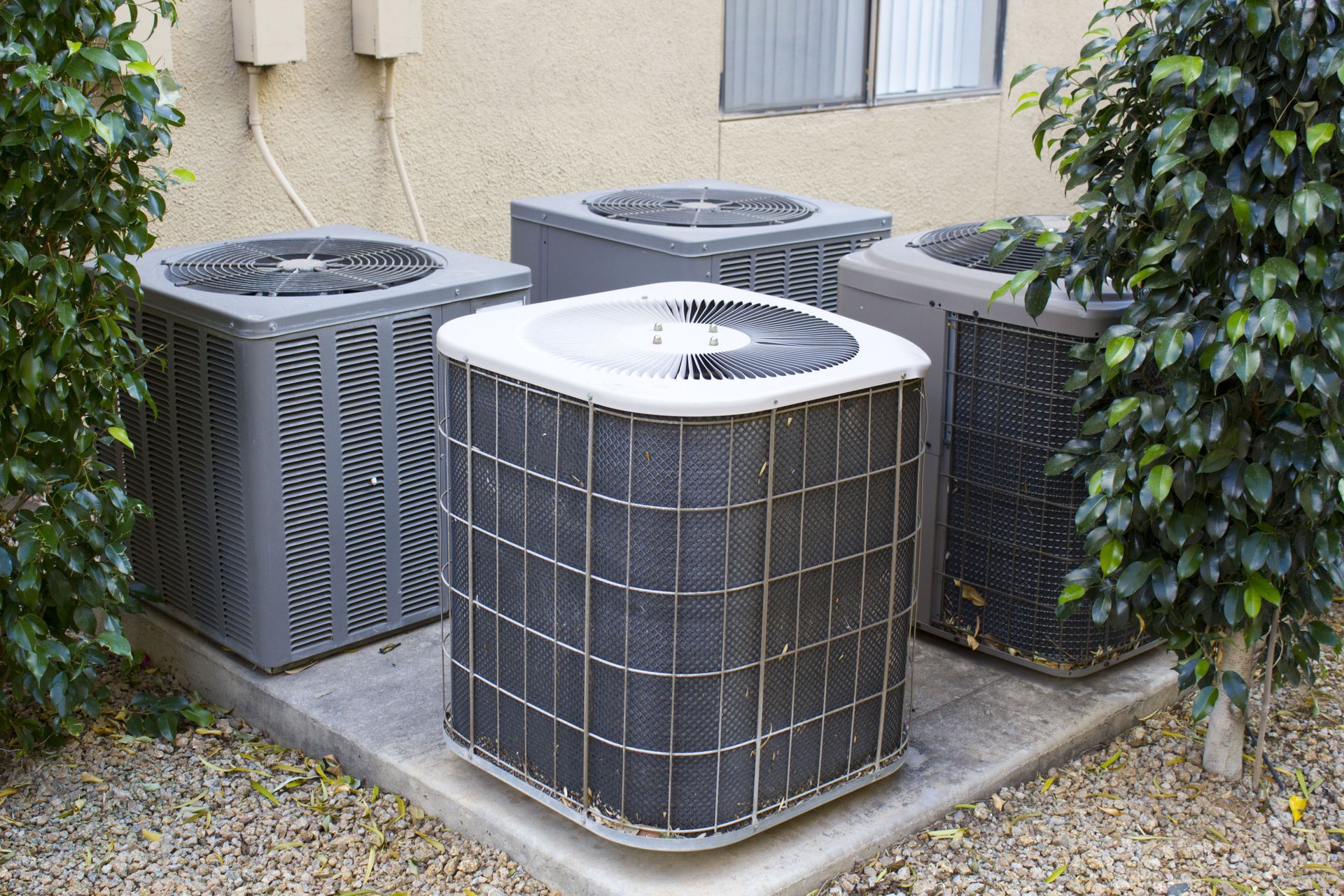
Centralized HVAC systems distribute conditioned air throughout a building using ductwork. These systems suit larger commercial properties that require consistent temperatures across multiple rooms and floors. Although initial costs can be substantial, centralized equipment offers convenient management and opportunities to integrate automated controls.
Decentralized systems provide independent climate control in separate areas, making them useful for smaller properties or buildings with different temperature requirements. Businesses can condition occupied spaces without heating or cooling the entire facility. Professional HVAC installation helps determine whether individual units can meet the building's needs efficiently.
Hybrid systems combine different heating and cooling technologies to improve flexibility and efficiency. Depending on the configuration, they may use heat pumps alongside other equipment to respond to changing temperatures and energy costs. Single-split and multi-split systems offer additional options, serving individual rooms or multiple zones through connected indoor units.
Evaluating Energy Efficiency
Energy efficiency should be a major consideration when choosing commercial HVAC equipment. Higher-efficiency systems can reduce electricity consumption and help businesses manage recurring utility expenses. Comparing efficiency ratings, expected operating hours, and local climate conditions provides a clearer picture of potential savings.
Energy Star certification can help property managers identify qualifying products that meet established efficiency requirements. Choosing efficient equipment during HVAC installation can support sustainability goals while improving the property's long-term operating budget.
Smart thermostats, occupancy sensors, and building automation systems provide additional opportunities to control energy consumption. These technologies adjust temperatures according to schedules, occupancy, and changing conditions. Integrated controls also help property managers monitor performance and identify potential inefficiencies.
Considering Air Quality and Occupant Comfort
Indoor air quality is important in commercial environments, particularly offices, healthcare facilities, and customer-facing businesses. Appropriate filtration, ventilation, and humidity management can help create healthier, more comfortable spaces. Property managers should evaluate these features alongside heating and cooling capacity.
According to Industry Research, nearly 54% of HVAC repair service calls are related to air conditioning systems. This highlights the importance of selecting suitable cooling equipment and maintaining reliable performance during warmer months. Professional HVAC installation helps ensure that air conditioning components are properly sized and configured for the property's demands.
Ventilation requirements vary according to building occupancy and business activities. A crowded office, restaurant, and warehouse may each have different airflow requirements. Evaluating these conditions before selecting equipment helps maintain comfortable temperatures and appropriate indoor air circulation.
Assessing Building Size and Layout
The size and design of a commercial property directly influence HVAC equipment requirements. Contractors evaluate square footage, ceiling heights, insulation, window placement, and occupancy to estimate heating and cooling loads. These details help prevent equipment from being selected solely on floor area.
Oversized equipment may cycle too frequently, reducing efficiency and creating inconsistent humidity levels. Undersized equipment may struggle to maintain comfortable temperatures during extreme weather. Accurate load calculations are essential to effective HVAC installation and dependable performance.
Zoned systems may benefit buildings where different rooms experience varying temperatures or occupancy levels. Considering future renovations and business expansion can also help property owners choose equipment that accommodates changing needs.
Comparing Installation and Operating Costs
The initial purchase price is only one component of a commercial HVAC system's total cost. Property managers should also consider installation expenses, energy consumption, maintenance requirements, equipment lifespan, and potential repair costs. Comparing these factors provides a more realistic understanding of the investment.
Professional HVAC installation costs vary according to equipment capacity, system complexity, ductwork, electrical upgrades, and building accessibility. Older properties may require additional modifications before new equipment can be installed. Detailed estimates help businesses understand the project's scope and plan their budgets.
An inexpensive system may cost more over time if it consumes excessive energy or requires frequent repairs. Evaluating lifecycle expenses helps property owners balance immediate costs with long-term financial goals.
Exploring Modern HVAC Technology
Commercial HVAC technology continues to advance, offering opportunities to improve system performance. Variable-speed compressors and fans adjust output to match changing heating and cooling demands. This flexibility can reduce energy waste while maintaining consistent indoor temperatures.
Building automation platforms allow managers to monitor equipment, coordinate temperature settings, and review energy consumption through centralized controls. Incorporating these features into HVAC installation planning can improve visibility into building operations and help identify inefficiencies.
Some systems also alert property managers to unusual operating conditions. Early warnings allow maintenance professionals to investigate developing problems before they cause significant disruptions.
Planning for Environmental Responsibility
Energy-efficient HVAC systems can reduce electricity consumption and associated emissions, particularly when replacing older equipment. Property managers can evaluate efficiency ratings, refrigerant characteristics, and compatibility with broader sustainability initiatives.
Refrigerants deserve particular consideration because their environmental effects vary. Selecting equipment that complies with applicable regulations and uses appropriate refrigerants helps businesses manage their environmental responsibilities.
A comprehensive installation strategy should also account for insulation and air leakage. Poor insulation can increase heating and cooling demands regardless of the equipment selected. Addressing these factors can improve comfort and reduce unnecessary energy consumption.
Establishing a Maintenance Strategy
Routine professional maintenance helps commercial HVAC systems operate reliably and efficiently. Maintenance visits may include filter assessments, electrical checks, refrigerant evaluations, and performance inspections. The appropriate schedule depends on equipment specifications, operating conditions, and manufacturer recommendations.
Preventive maintenance can identify worn components before they cause unexpected interruptions. This is particularly important for businesses that depend on stable indoor temperatures to protect equipment, inventory, or customer comfort. Planning maintenance expenses also makes operating budgets more predictable.
Property managers should review warranty requirements and service availability when comparing equipment options. Access to qualified technicians and replacement components can influence how quickly a system returns to service after a problem.
Preparing for Future Business Needs
Commercial properties may change as businesses expand, reorganize, or introduce new equipment. A suitable HVAC system should accommodate reasonable changes in occupancy and heating or cooling demand. Discussing future plans with an experienced contractor can help property managers avoid selecting inadequate equipment.
Scalable systems may allow businesses to expand climate control capabilities without replacing every existing component. Zoned configurations and compatible controls provide flexibility when rooms or departments change their usage patterns. Careful planning can also make future upgrades more manageable.
Building regulations and energy efficiency requirements may change over time. Property owners should review applicable codes and discuss compliance considerations with qualified HVAC professionals before proceeding.
Choosing a Qualified HVAC Contractor
The quality of the contractor is an important part of a successful commercial HVAC project. Property managers should evaluate licensing, insurance, commercial experience, references, and familiarity with the building's requirements. Proposals should explain equipment specifications, project costs, timelines, and necessary modifications.
A qualified contractor can assess existing infrastructure, calculate heating and cooling loads, and recommend suitable equipment. They should also explain efficiency ratings, available controls, maintenance requirements, and warranty coverage. Property managers should confirm that the proposed work addresses ventilation, electrical requirements, drainage, and applicable building codes.
Making a Long-Term HVAC Investment
Selecting a commercial HVAC system requires balancing comfort, efficiency, reliability, and cost. Property managers who assess building requirements, compare equipment options, and consider future operational changes are better positioned to make informed decisions. Professional guidance helps align the selected system with practical needs and financial priorities.
The right equipment can contribute to consistent indoor temperatures, manageable utility expenses, and dependable building operations. Careful planning also creates opportunities for automation, improved air quality, and reduced environmental impact.
True North Air Conditioning can help commercial property owners evaluate their heating and cooling needs and explore suitable HVAC solutions. Contact True North Air Conditioning to discuss equipment options, system requirements, and professional HVAC installation for your commercial property.



Share On: