3 Maintenance Tips Your Local AC Installation Expert Will Recommend
An air conditioning system is one of the most important investments a property owner can make for indoor comfort. Whether cooling a family home or a commercial facility, the system works hard throughout the hottest months of the year to maintain consistent temperatures and healthy indoor air quality. While many people focus on choosing the right equipment during local AC installation, ongoing maintenance is what helps protect that investment long after the installation is complete.
Experienced HVAC professionals understand that even the highest-quality equipment can struggle when routine care is overlooked. Dirt buildup, airflow restrictions, and neglected components can gradually reduce efficiency and increase wear on the system. Fortunately, a few simple maintenance habits can go a long way toward preserving performance and reducing the likelihood of unexpected breakdowns.
1. Keep Airflow Strong Throughout the System
Replace Air Filters on a Consistent Schedule
One of the first recommendations any professional involved in local AC installation will make is to pay close attention to the air filter. The filter serves as the system's first line of defense against dust, pollen, pet dander, and other airborne contaminants. As debris accumulates, airflow becomes restricted, forcing the equipment to work harder than necessary to cool the property.
A clogged filter can affect more than energy consumption. Restricted airflow may contribute to uneven cooling, longer run times, and increased strain on critical components. In some cases, poor airflow can even lead to frozen evaporator coils, creating additional service issues that could have been prevented with routine filter changes.
Property owners should follow manufacturer recommendations regarding filter replacement intervals while also considering factors such as pets, indoor air quality concerns, and occupancy levels. Regular inspections help ensure filters are replaced before excessive buildup begins affecting performance.
Keep Vents and Registers Free From Obstructions
Even when the equipment itself is operating properly, blocked vents can interfere with overall system performance. Furniture, curtains, storage items, and decorative elements sometimes restrict airflow without occupants realizing it. When conditioned air cannot circulate effectively, certain rooms may feel warmer while the system continues running longer to satisfy thermostat settings.
Professionals who specialize in local AC installation often advise customers to periodically inspect supply and return vents throughout the property. Ensuring that air can move freely helps maintain balanced temperatures and supports efficient operation.
Maintaining open airflow pathways also helps reduce unnecessary stress on the blower system. When air circulates properly, the equipment can cool spaces more effectively while using less energy.
Inspect Outdoor Units for Debris Accumulation
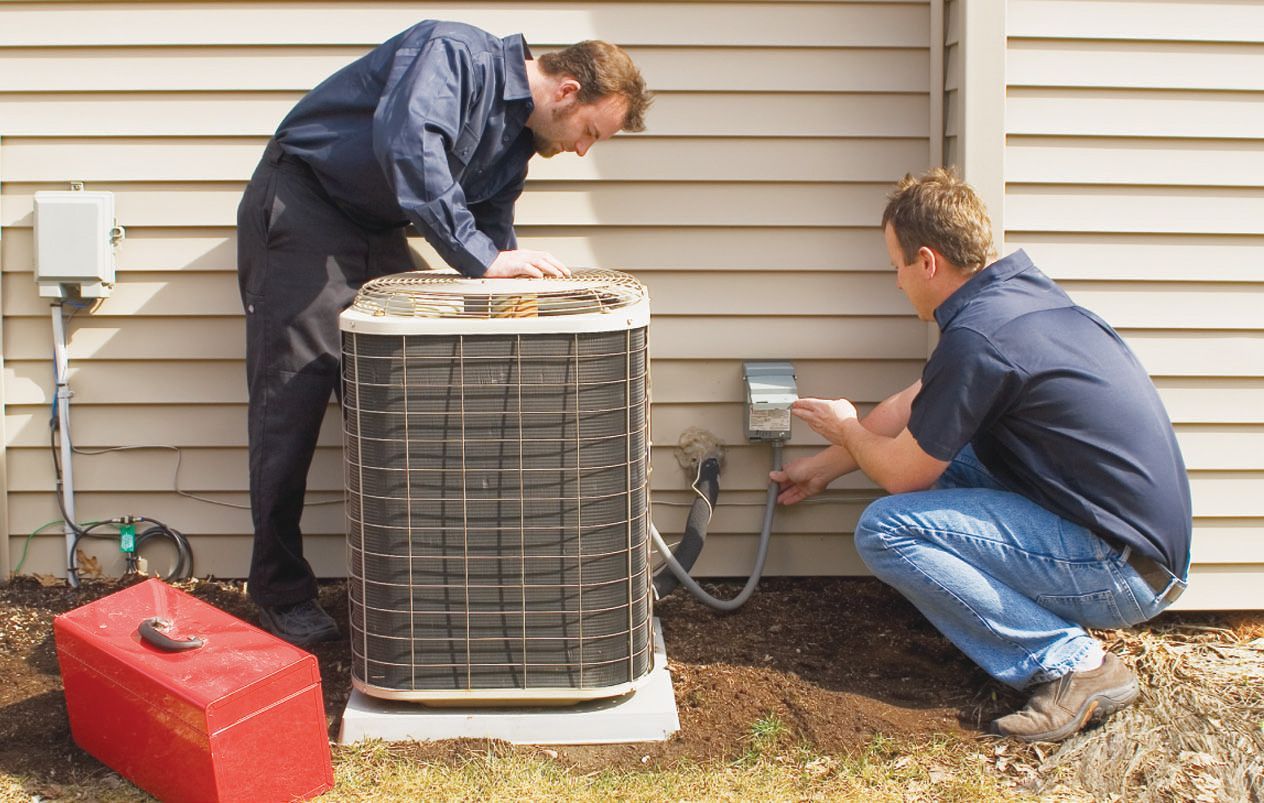
The outdoor condenser unit plays a critical role in releasing heat removed from indoor air. Leaves, grass clippings, dirt, and other debris can accumulate around the equipment over time, restricting airflow through the condenser coil.
HVAC professionals frequently recommend maintaining adequate clearance around outdoor units. Shrubs, landscaping materials, and storage items should remain far enough away to allow unrestricted airflow from all sides. Periodically removing debris helps the condenser operate more efficiently during peak cooling periods.
When outdoor airflow is compromised, the system may run longer cycles and experience increased operating temperatures. Keeping the surrounding area clean supports reliable performance and contributes to the long-term health of the equipment.
2. Schedule Preventive Professional Maintenance
Arrange Annual System Inspections
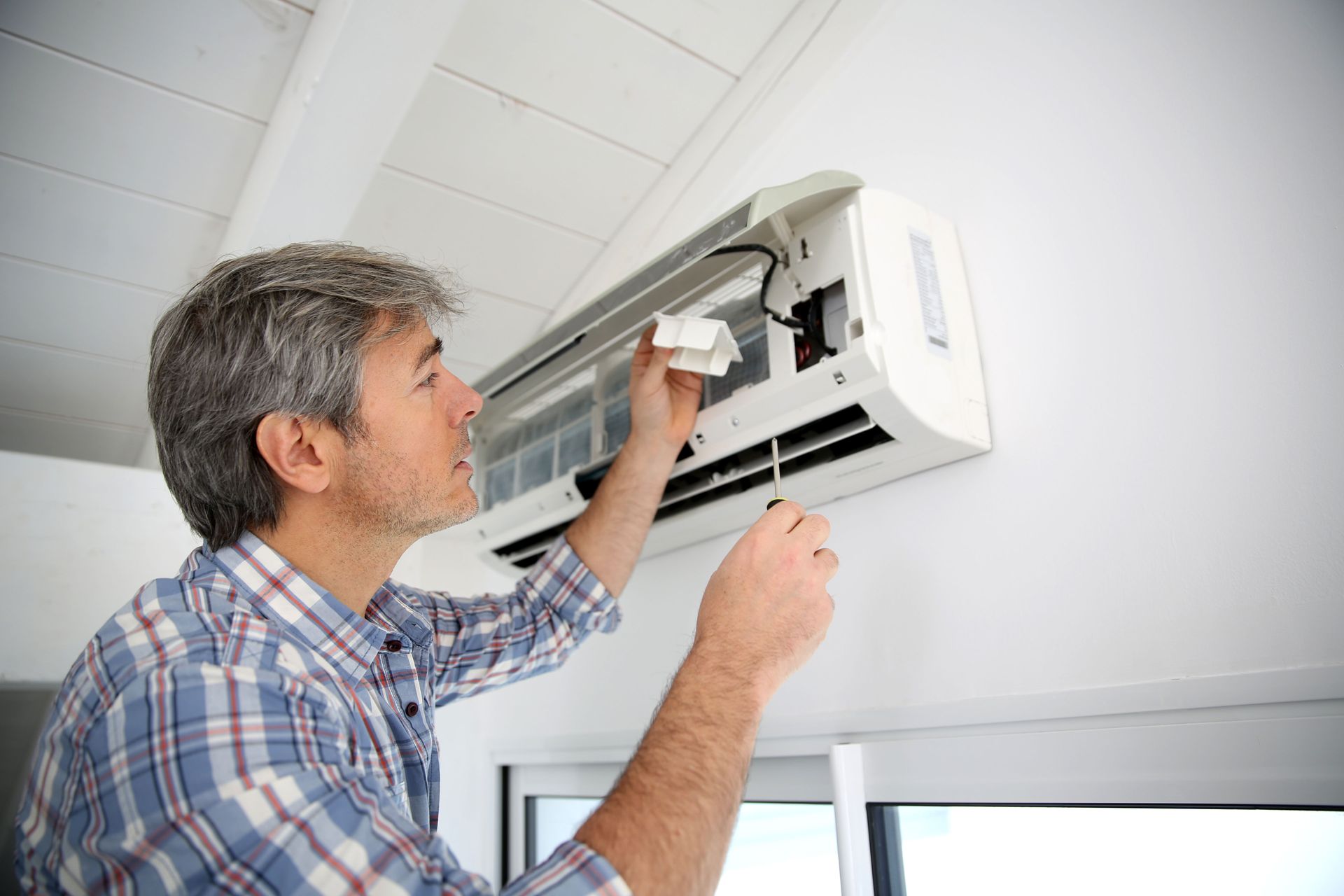
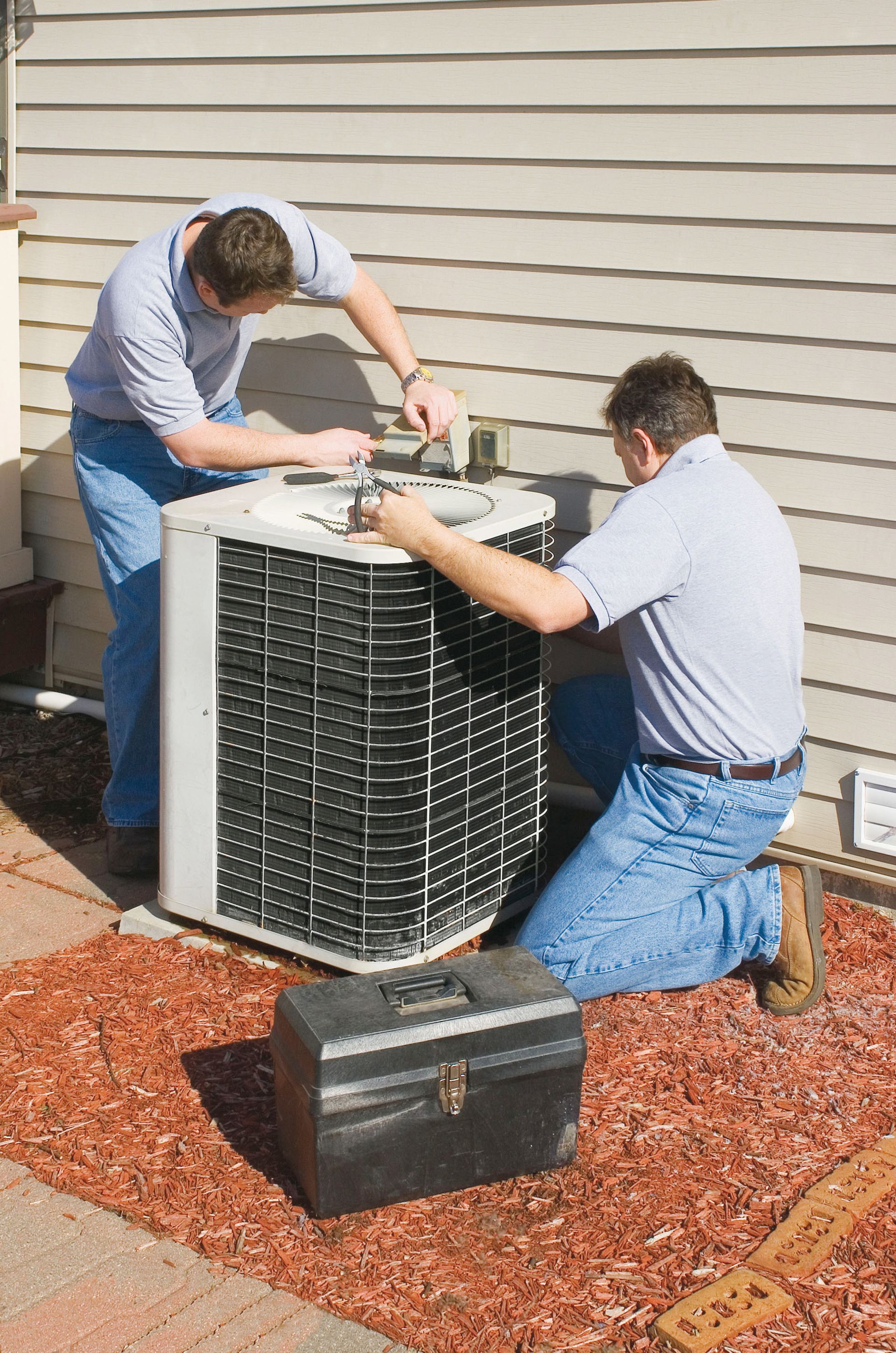
Many property owners wait until something goes wrong before contacting an HVAC professional. However, preventive maintenance appointments can identify developing issues before they become expensive repairs. During a professional inspection, technicians evaluate key components, verify system operation, and look for signs of wear that may affect future performance.
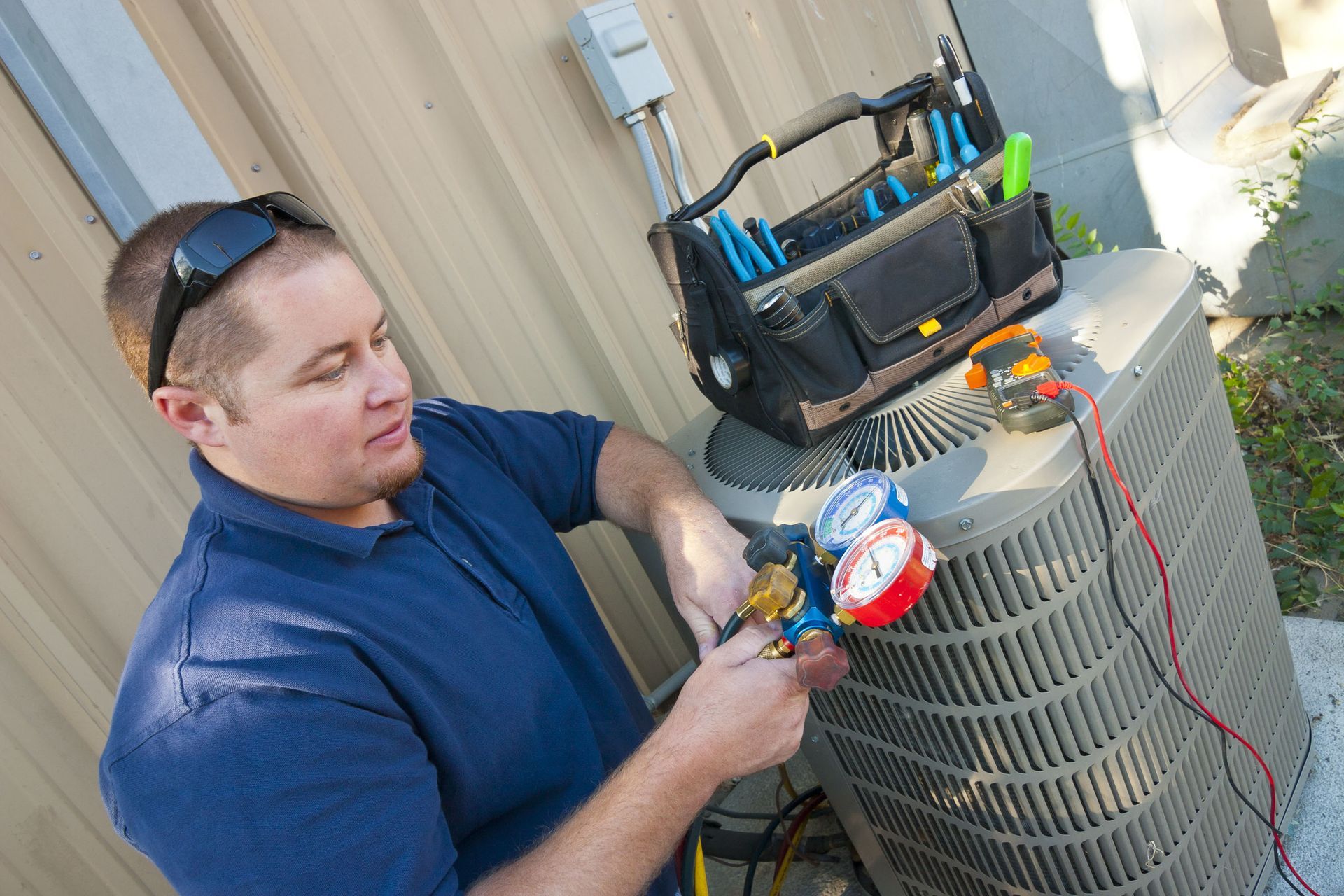
An annual service visit provides an opportunity to address minor concerns before they escalate. Technicians may inspect electrical connections, evaluate refrigerant levels, assess airflow, and examine components that are not easily accessible to property owners.
Regular inspections also provide peace of mind heading into the cooling season. Knowing that the equipment has been professionally evaluated helps reduce the likelihood of unexpected disruptions when temperatures begin to rise.
Have Coils Cleaned When Necessary
Air conditioning systems rely on clean evaporator and condenser coils to transfer heat efficiently. Over time, dirt and contaminants can accumulate on coil surfaces, reducing their ability to absorb and release heat effectively.
According to Today's Homeowner, most air conditioning systems should operate for at least 15 years, while well-maintained units may remain functional for 25 years or longer. This highlights the significant role routine maintenance can play in extending equipment longevity.
Professional coil cleaning helps restore proper heat transfer and supports efficient operation. When coils remain clean, the system can achieve desired temperatures more effectively while placing less strain on major components.
Verify Proper System Performance
Routine maintenance appointments also allow technicians to evaluate overall system performance. Even small issues can gradually impact comfort and efficiency if left unaddressed.
During service visits, HVAC professionals may test thermostat operation, inspect condensate drainage systems, evaluate electrical components, and measure airflow throughout the system. These evaluations help ensure every part of the cooling system is functioning as intended.
An expert in local AC installation often understands the specific equipment configuration and can identify changes in performance that may indicate developing concerns. Early detection frequently leads to less costly repairs and fewer disruptions.
3. Protect Long-Term Efficiency and Reliability
Monitor Energy Bills for Warning Signs
Utility bills often provide valuable clues about system performance. While seasonal fluctuations are normal, a sudden increase in cooling costs may indicate that the air conditioner is working harder than necessary.
Several factors can contribute to declining efficiency, including dirty filters, airflow restrictions, refrigerant issues, or worn components. Monitoring monthly energy usage helps property owners recognize unusual trends that may warrant professional evaluation.
When changes are identified early, corrective action can often restore efficiency before excessive wear affects major system components. This proactive approach helps maximize the value of local AC installation over time.
Address Minor Repairs Promptly
Small HVAC issues rarely resolve themselves. A loose electrical connection, unusual noise, or minor airflow concern may seem insignificant initially, but delaying service can allow the problem to worsen.
Prompt repairs help prevent additional damage while reducing the likelihood of more extensive system failures. Many major breakdowns begin as relatively minor issues that could have been addressed quickly if identified early.
HVAC professionals often encourage customers to contact a service provider whenever unusual operating conditions appear. Addressing concerns promptly can improve reliability and reduce overall repair costs throughout the equipment's lifespan.
Maintain Consistent Thermostat Practices
Frequent thermostat adjustments can place unnecessary demands on cooling equipment. While it may be tempting to dramatically lower temperatures during particularly hot days, extreme changes often force the system to work harder for extended periods.
Consistent thermostat settings help promote stable operation and reduce excessive cycling. Maintaining reasonable indoor temperatures also supports energy efficiency while helping preserve equipment performance.
After local AC installation, many technicians educate customers about practical thermostat management because daily operating habits play an important role in overall system health. Combined with routine maintenance, consistent thermostat practices help support dependable cooling season after season.
Routine maintenance remains one of the most effective ways to protect the performance, efficiency, and reliability of an air conditioning system. While professional installation provides a strong foundation, ongoing care helps ensure the equipment continues operating at its best for years to come.
By maintaining proper airflow, scheduling preventive service, and addressing minor concerns before they become major problems, property owners can reduce breakdown risks and support long-term comfort. Following the recommendations commonly provided after AC installation can help maximize the value of the system while delivering dependable cooling whenever it is needed most. For more HVAC maintenance tips from local AC installation experts, reach out to True North Air Conditioning!


Share On: